Atoms to Material

Simulation ready material properties from the crystal lattice, carried into GPU simulation of microstructures and process equipment.

BYOL: Bring Your Own Lattice.
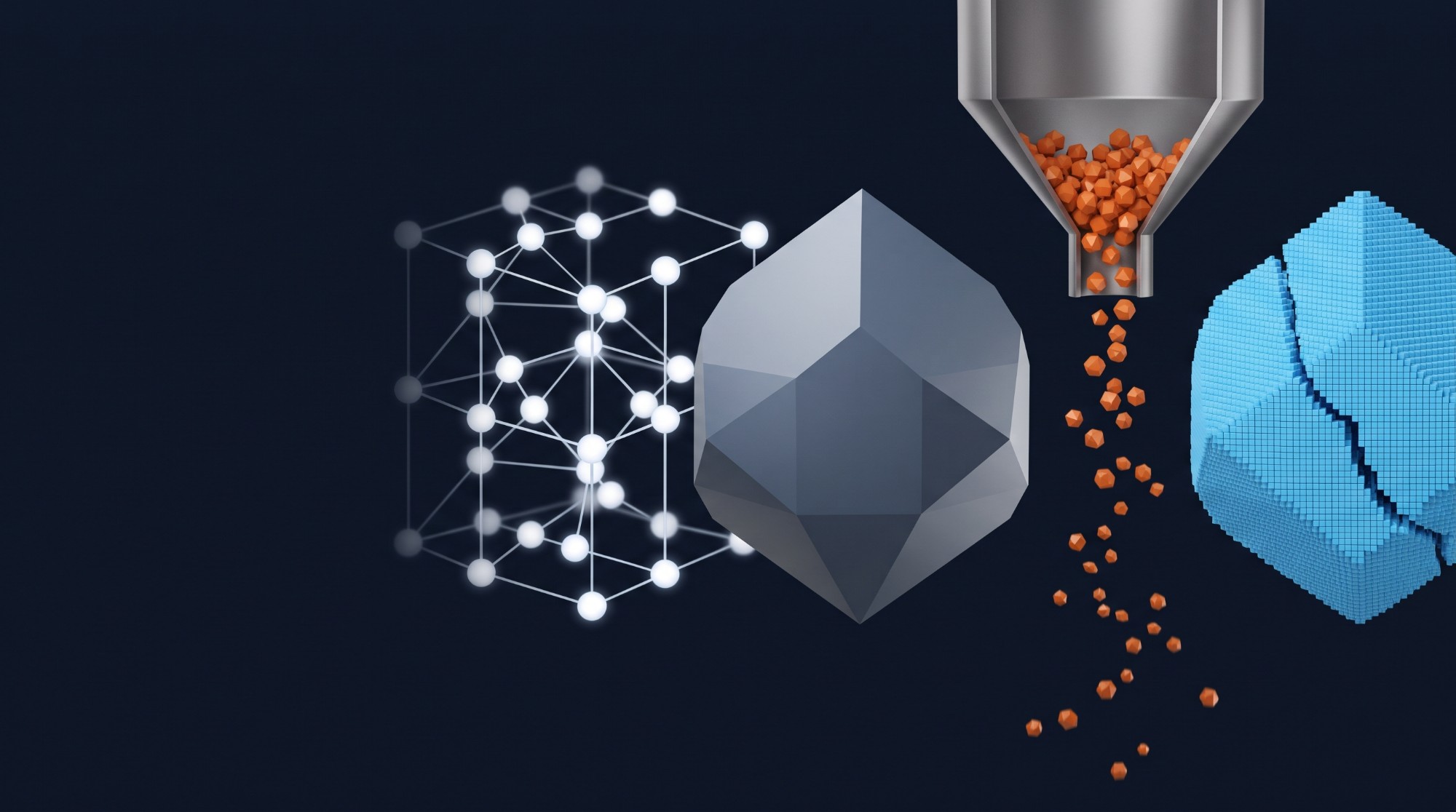
Crystal lattice, faceted crystal particle, particles discharging from a hopper and a cracked body of bonded Elements

From the lattice to the process

Process models are normally calibrated against bulk tests. Atoms to Material derives their inputs from the crystal structure.

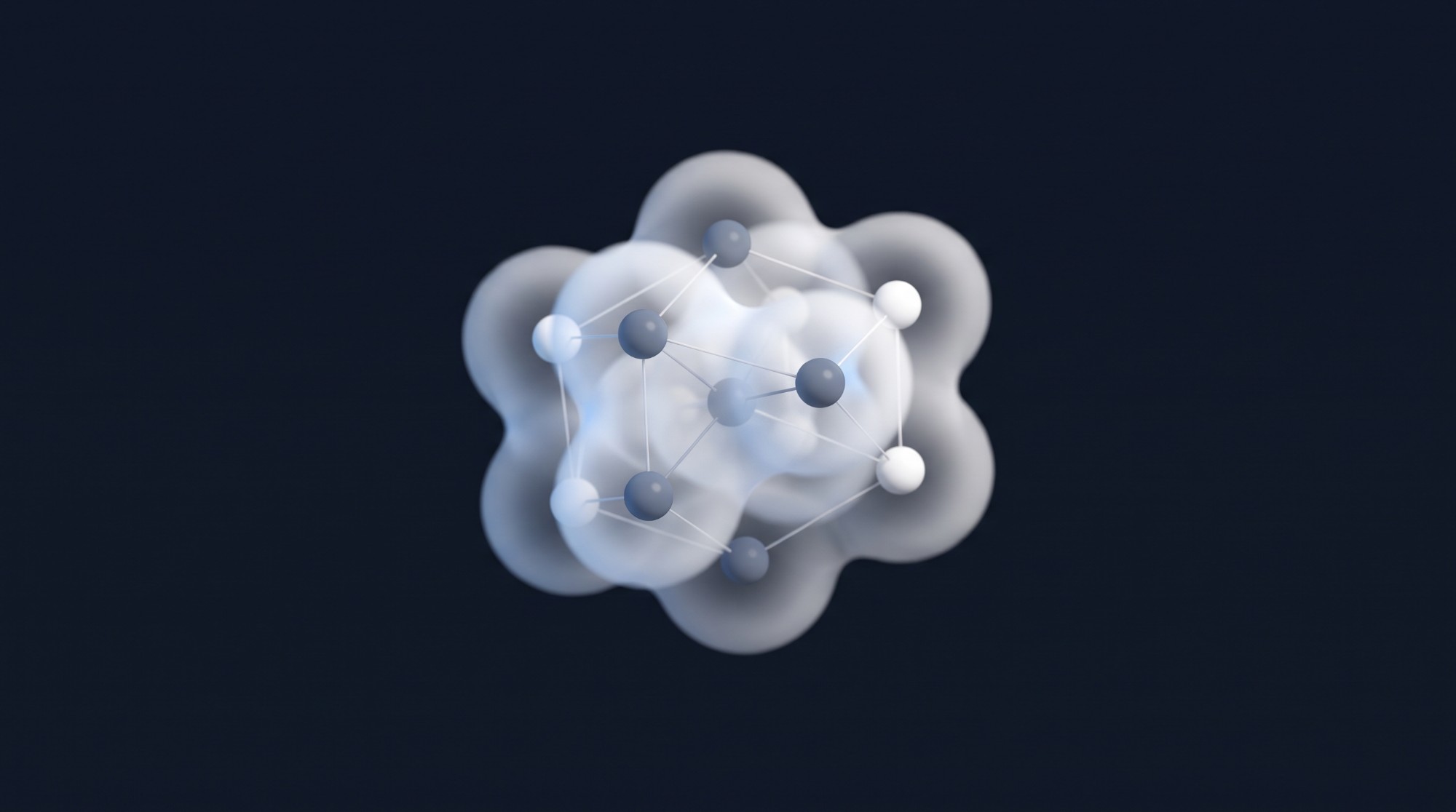
Crystal unit cell
Customer

Crystal structure

  • Any crystalline material you bring
  • One structure file is the starting point
Atoms with electron density
Atomistic calculation

Established methods (MLIP, DFT)

  • Carried out within the automated workflow
  • Several models compared
Faceted crystal inside its directional stiffness surface
Blaze

Atoms to Material workflow

  • Stiffness and crystal shape
  • Cohesion and friction per face
  • Verified against DFT and across models
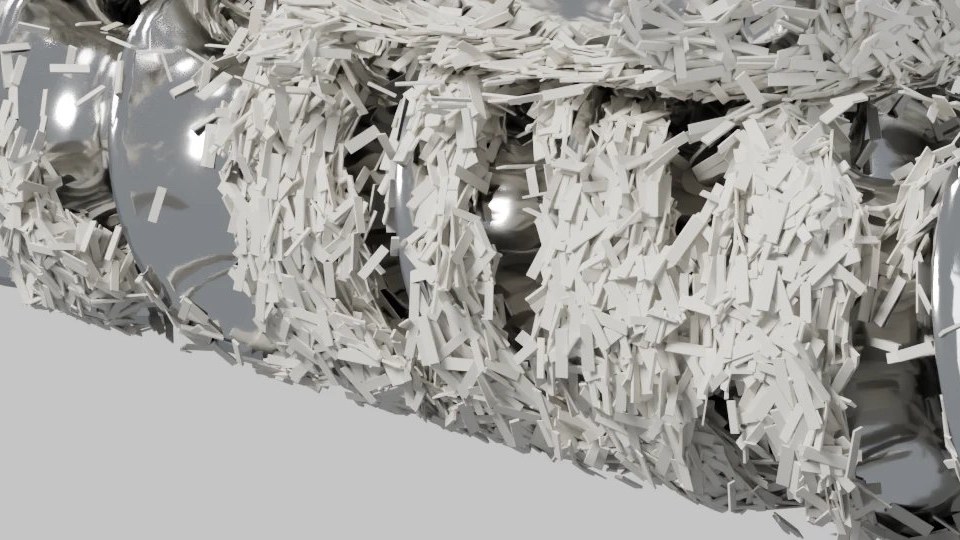
Needle shaped particles in a screw feeder, one particle ringed
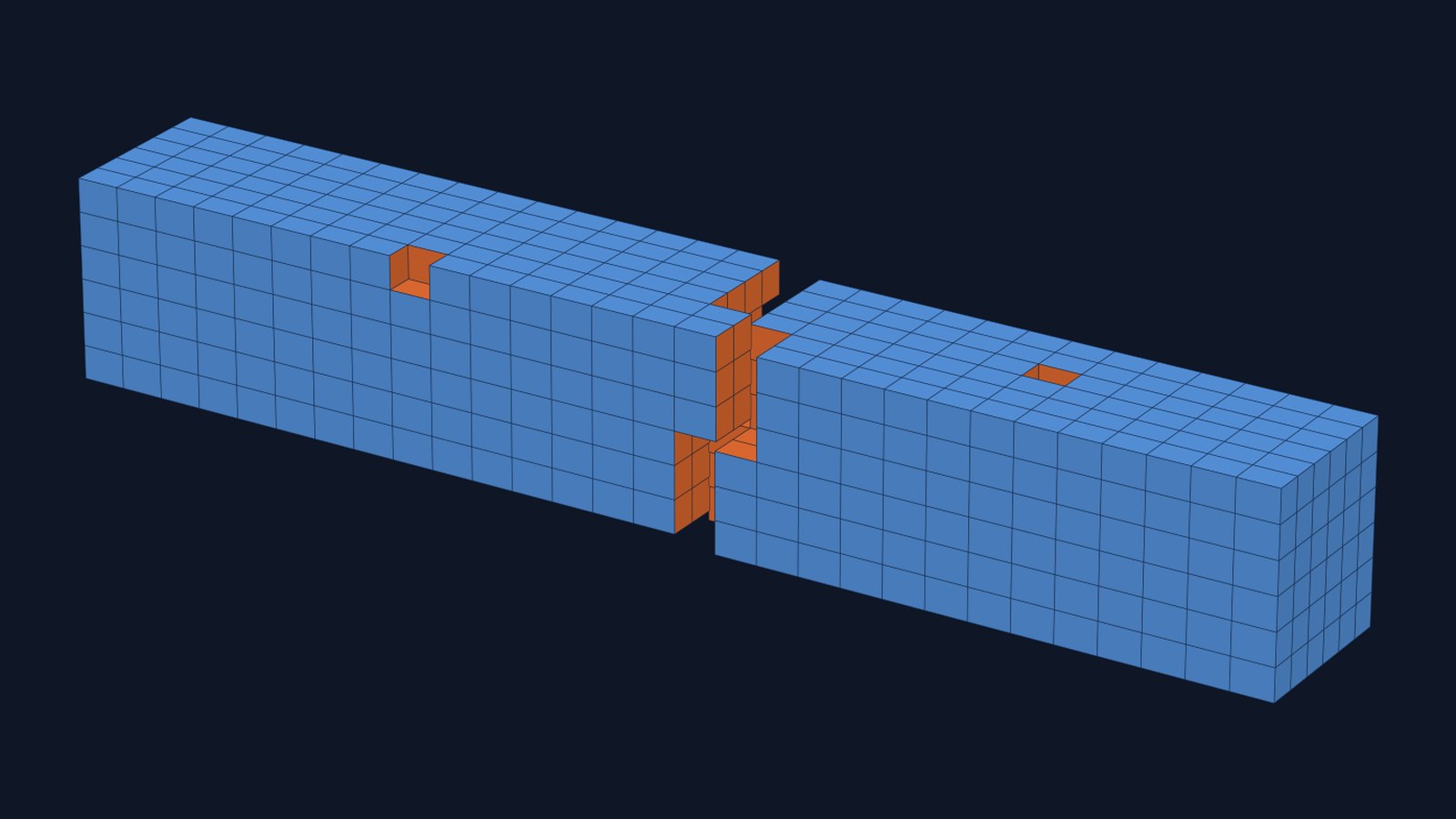
That particle as a lath of bonded Elements, breaking along element faces through two defects
Blaze

GPU multiphysics

  • Polyhedral particles for powder flow
  • Bonded Elements for microstructures and breakage

Crystal form, particle shape and process settings evaluated before manufacture.

Value to development programmes

Glass vial with a few grams of powder and a crystal lattice rising from it

Early material data

Properties available at the lattice stage, before material exists in the quantities powder testing requires.

Faceted crystal particle shown as an exploded view of its faces

Simulation ready inputs

Elastic stiffness, crystal shape, and cohesion and friction per crystal face, delivered in solver format.
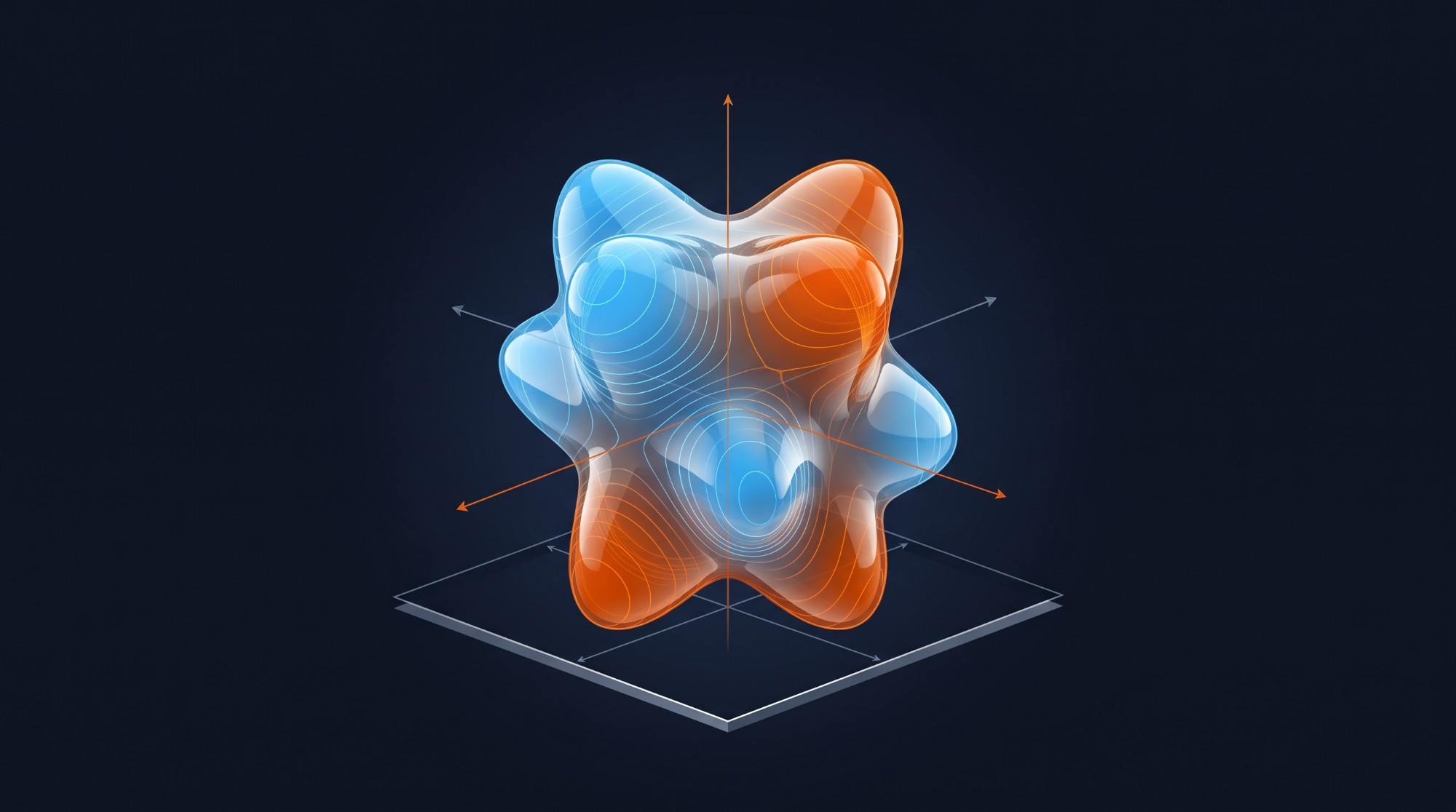
Directional stiffness surface of a crystal

Full crystal anisotropy

All 21 elastic constants in every element, with cohesion and friction defined per particle face.
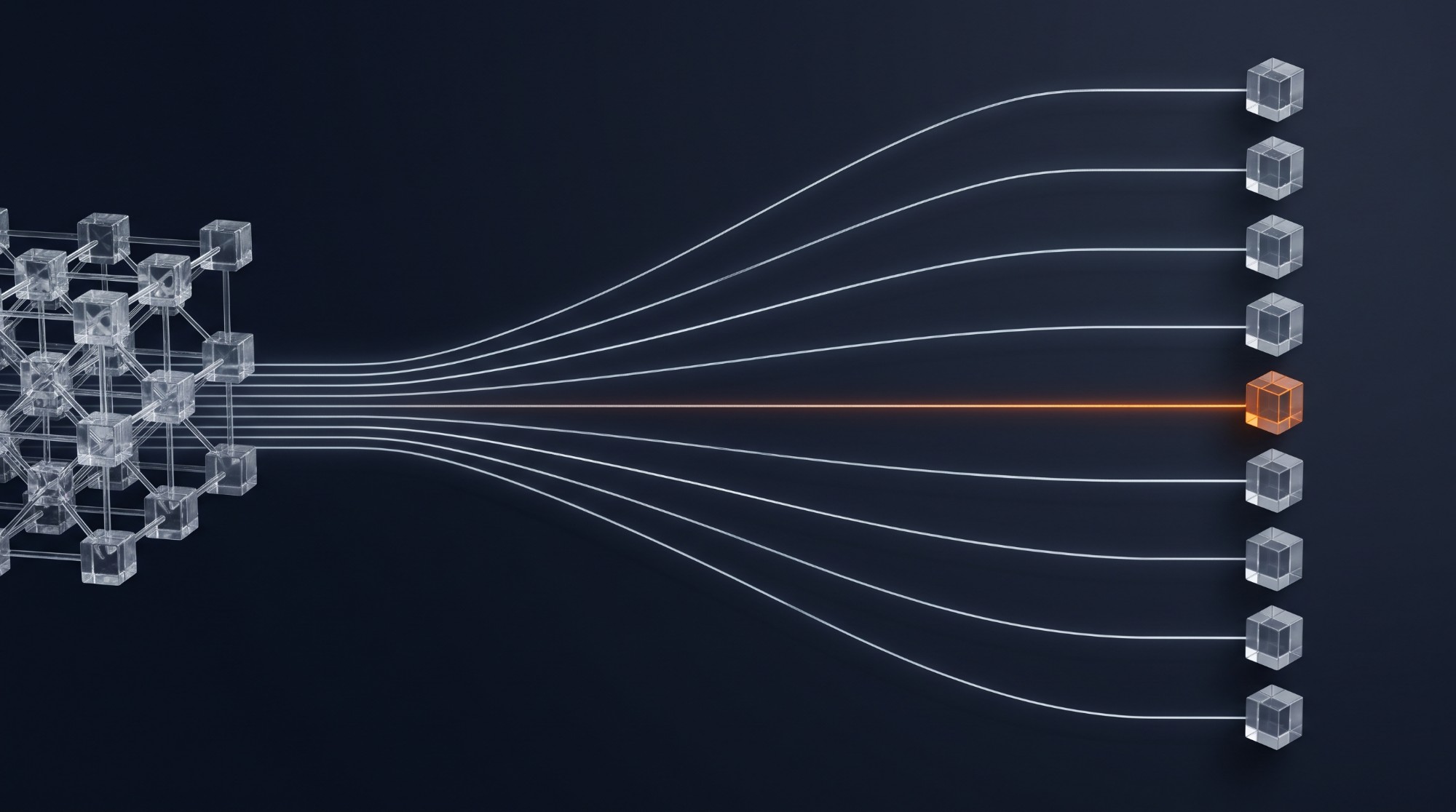
Lines tracing values back to the crystal lattice

Traceable results

Verified against DFT, with the spread between models reported and every value labelled computed or calibrated.

One crystal, two routes

As a particle

Faceted particles with cohesion and friction per crystal face, for flow, feeding, hopper discharge and packing.
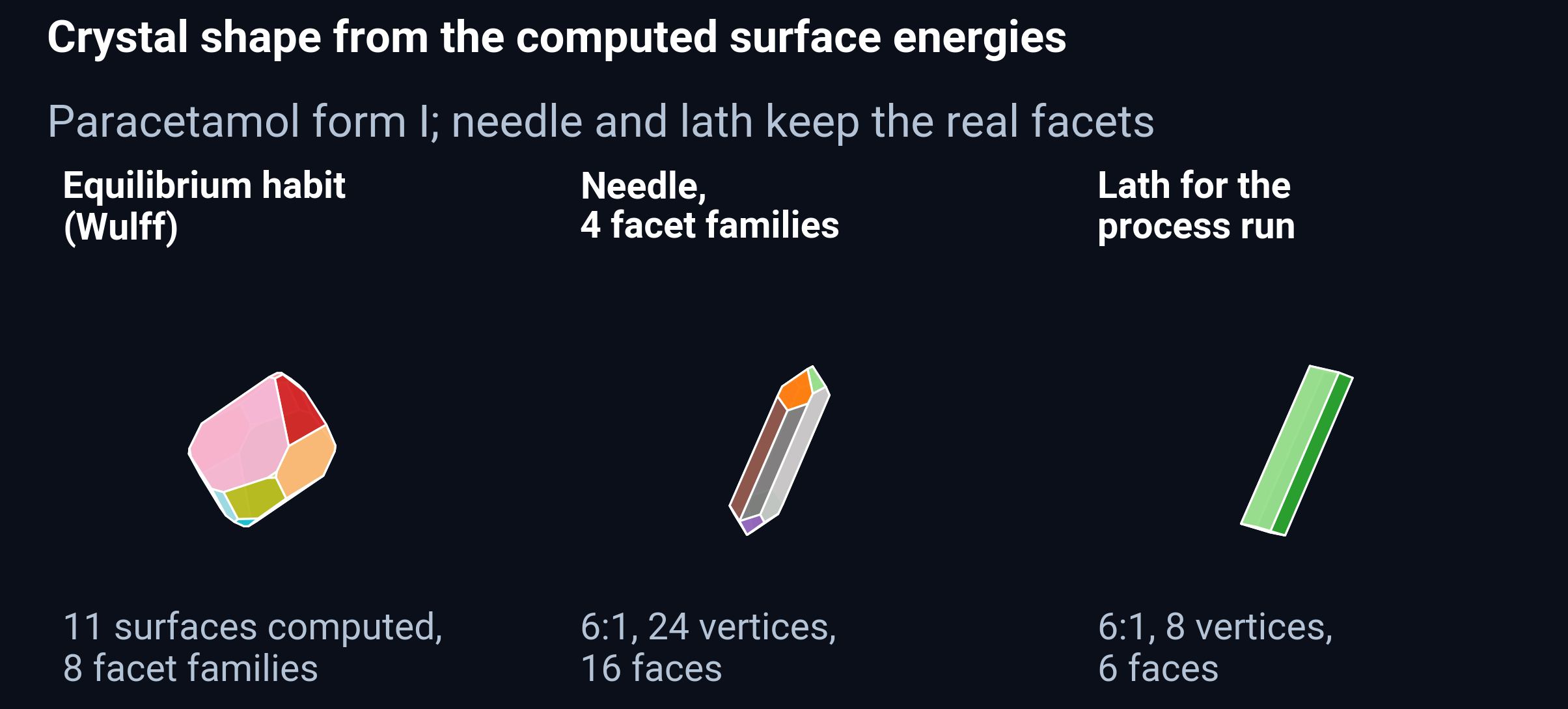
Equilibrium crystal habit from computed surface energies
Equilibrium habit
Needle shape keeping the real facets
Needle
Lath shape of the two dominant facets
Lath

As a bonded body

Each element carries the full crystal stiffness. Cracks initiate at internal defects, and a brittle coating fails before the underlying alloy. Fragments separate and interact in the same solver.
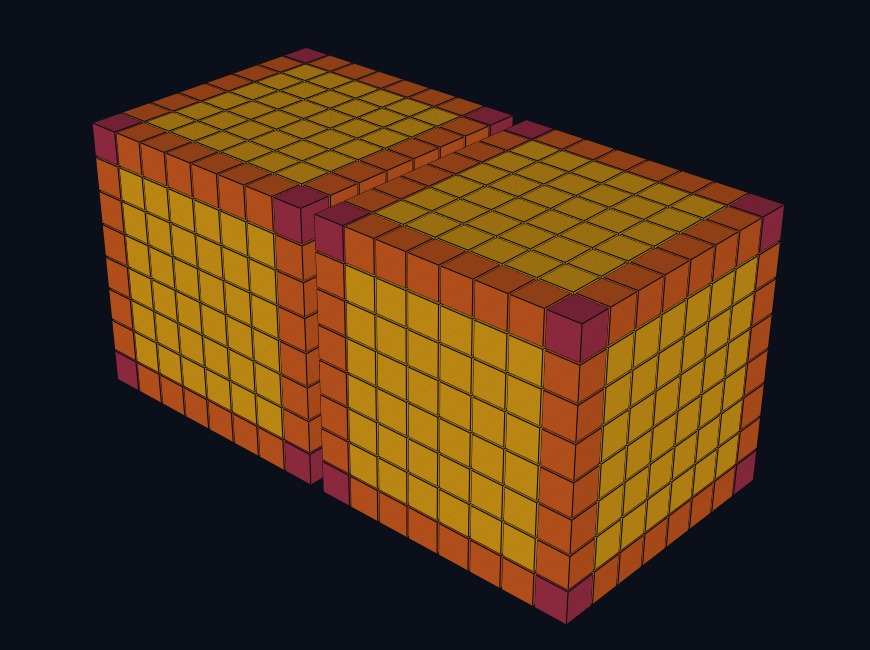
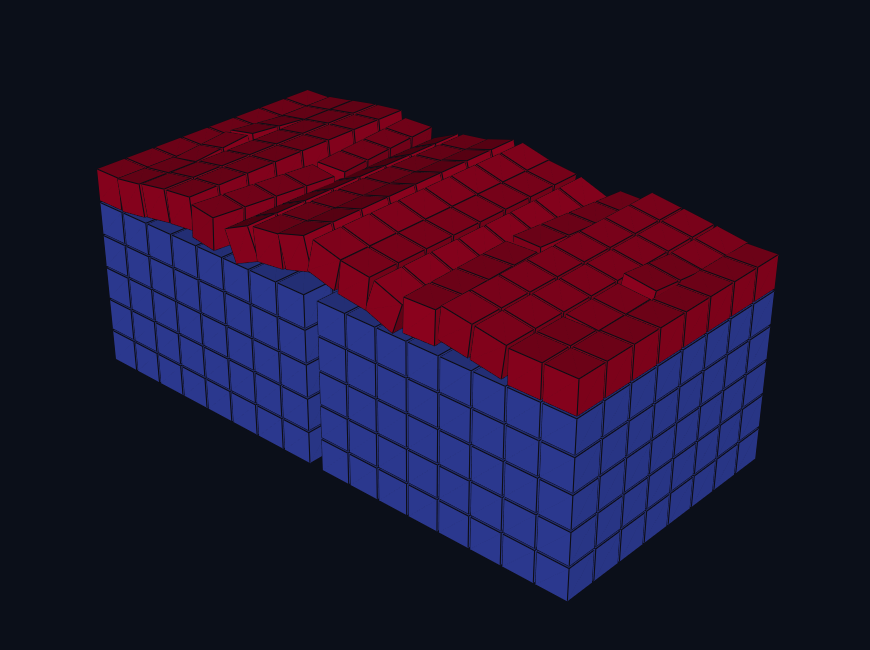
Crack running through a central void in a bonded crystal body
Central void
Brittle coating (red) cracking on an alloy crystal (blue)
Brittle coating on an alloy

A stress law, not springs

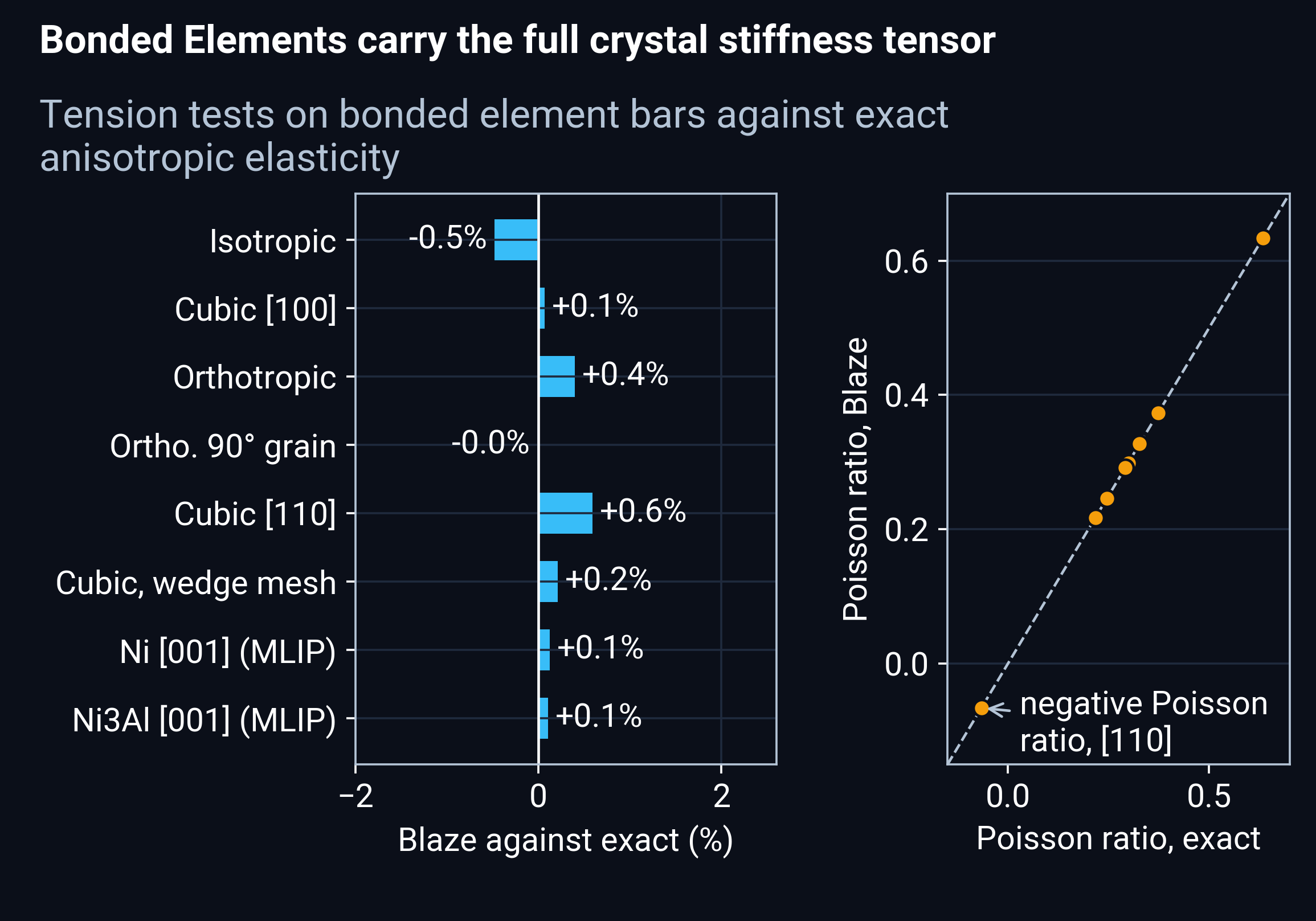
Each bonded Element carries the full crystal stiffness and orientation, verified against exact anisotropic elasticity in the regression suite.
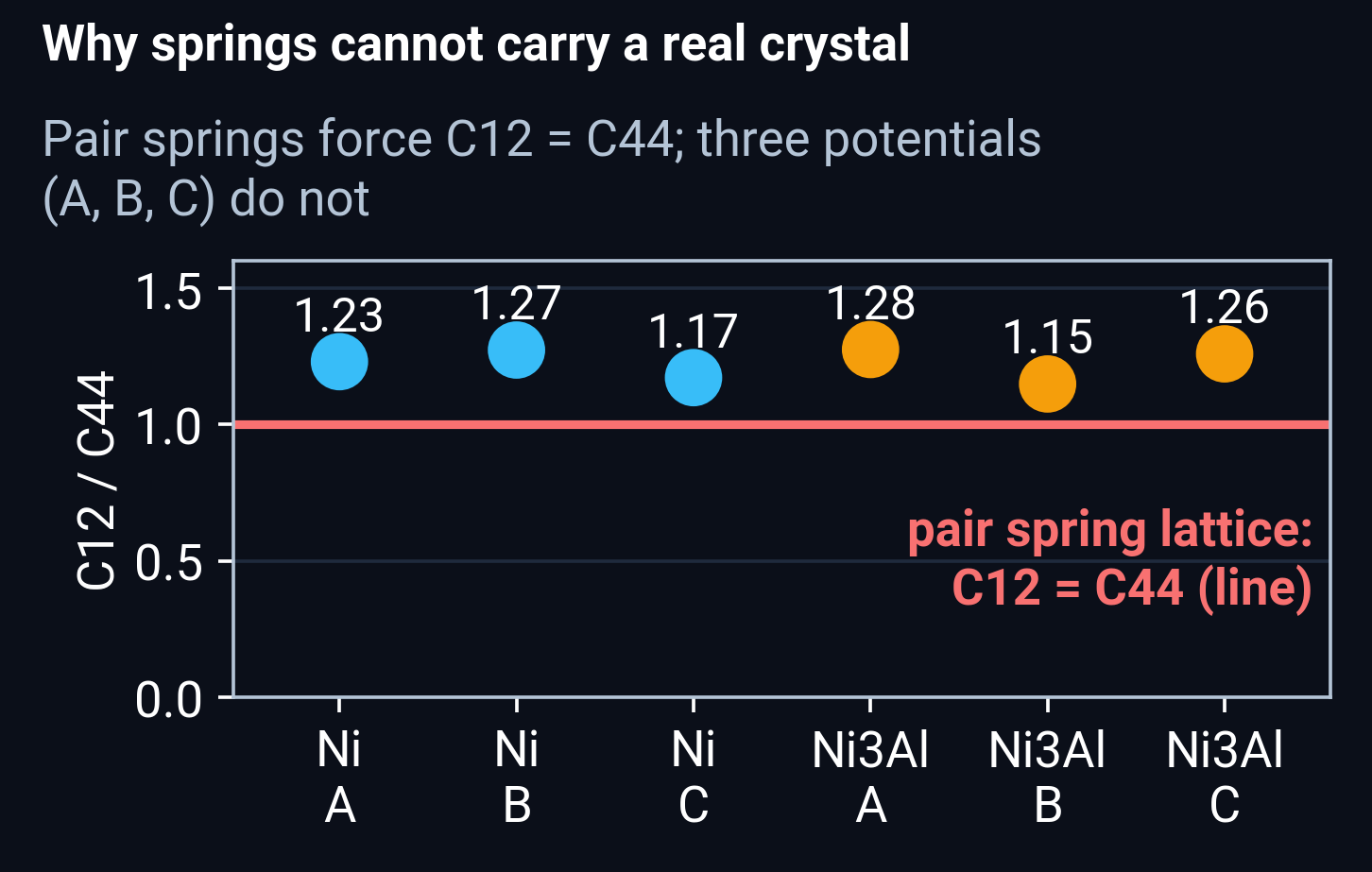
C12 over C44 of alloy crystals against the pair spring limit C12 = C44
Central pair spring lattices are limited to C12 = C44; the computed alloy crystals have C12 / C44 of 1.15 to 1.28.
Bonded Element modulus and Poisson ratio against exact anisotropic elasticity
Modulus within 1 % and Poisson ratio within 0.005 of exact anisotropic elasticity, including the negative Poisson ratio of a cubic crystal along [110].

Worked example: alloy microstructure

Ni / Ni3Al: 42 % γ′ cubes in γ channels, 512 bonded hex elements, the stiffness of each phase computed from its lattice.
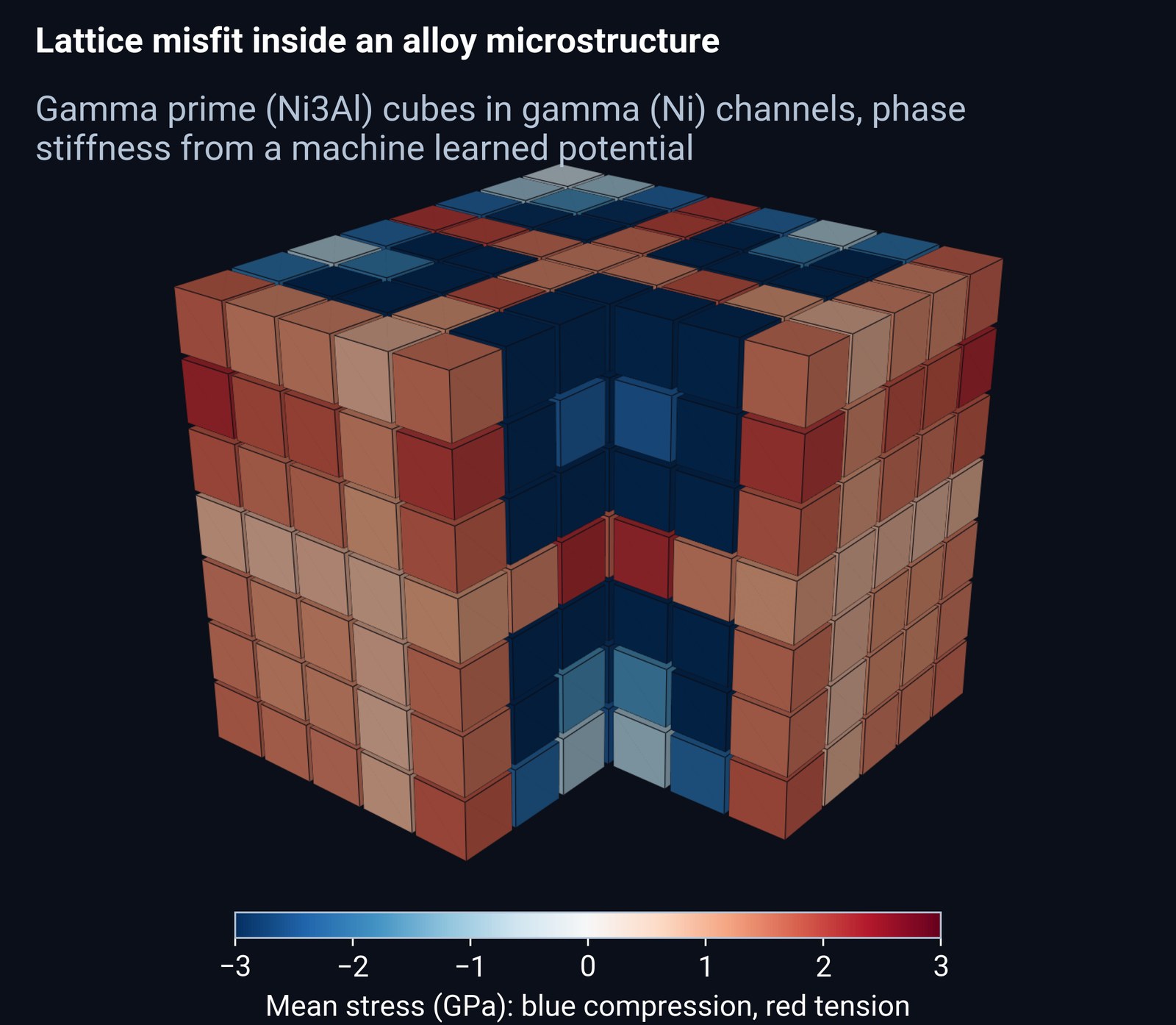
Mean stress in the two phase body after the misfit: gamma prime in compression, gamma channels in tension
138.7 GPa[001] modulus, within the Reuss and Voigt bounds of the phases (136.7 to 140.2 GPa).
0.35 %Deviation from a continuum (FE) reference of the same body.
Misfit as eigenstrainγ′ held in compression (blue), γ channels in tension (red).

Misfit of the 0 K binary phases, used as a demonstration input.

Worked example: API crystal to process equipment

Paracetamol form I. Density, stiffness, crystal shape and per face cohesion are derived from the crystal rather than fitted to angle of repose tests.
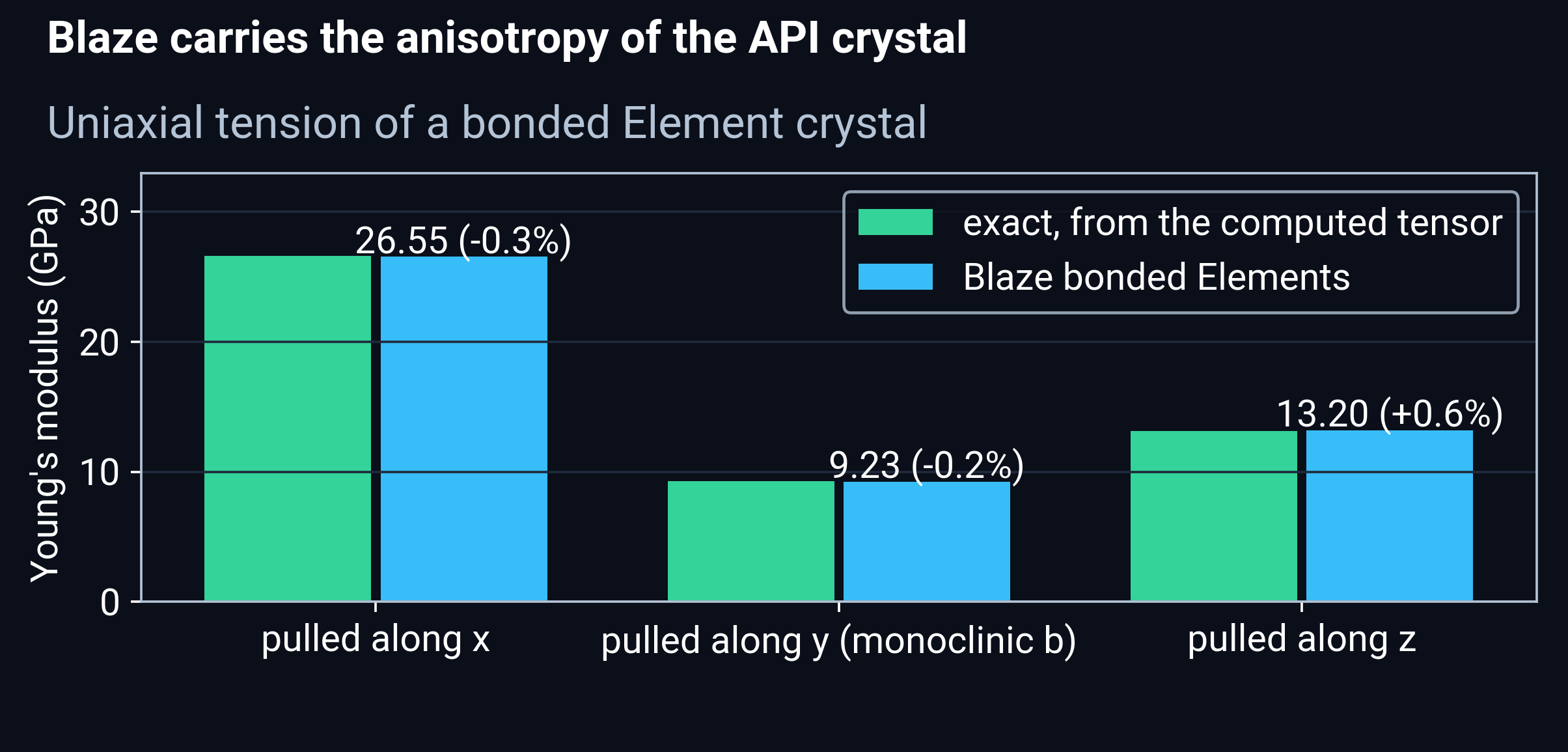
Young's modulus of a bonded Element paracetamol crystal along three axes against the exact values
A bonded Element crystal reproduces the monoclinic stiffness on all three axes within 0.6 %. Bulk and shear moduli are within 2 % of dispersion corrected DFT.
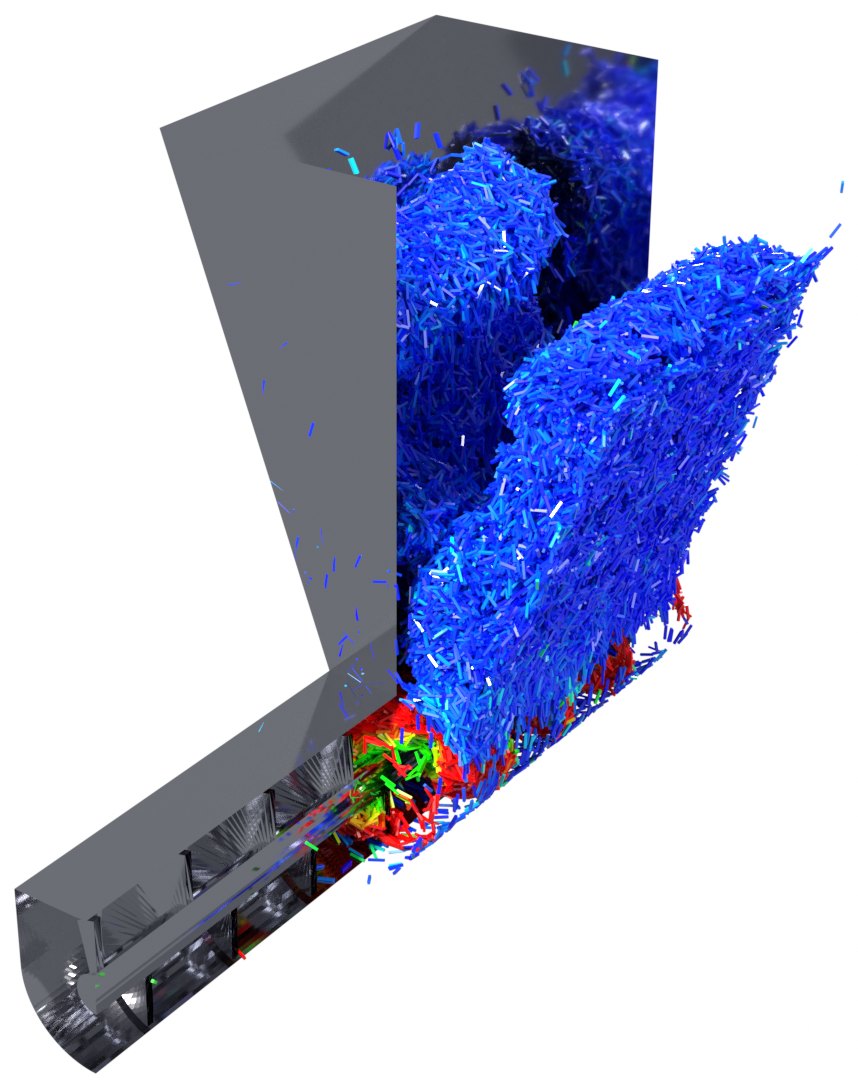
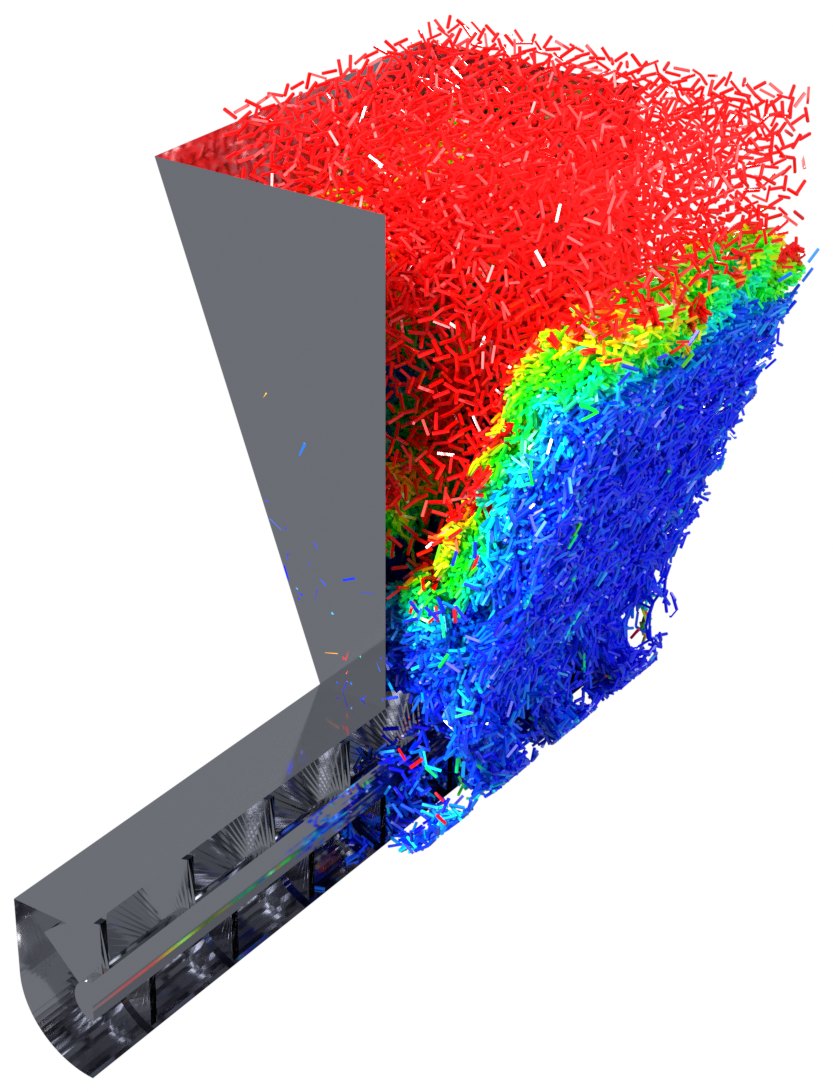
Needle shaped crystals filling the hopper of a screw feeder, cut openCohesive powder holding on the hopper walls while the flights load, cut open
Screw feeder model with crystal derived particles: hopper filling (left) and cohesive powder retained on the hopper walls (right).

Computed from the lattice, calibrated once per material class

Computed from the lattice

  • Density
  • Stiffness tensor, 21 constants
  • Surface energy of each crystal face
  • Crystal shape
  • Particle cohesion
  • Lattice misfit

Calibrated once per material class

  • Fracture strength of bonded Elements
  • Fracture energy of bonded Elements
BYOL: Bring Your Own Lattice.Start from the crystal structure of your material.